

Sickle cell anemia is a genetic blood disorder that changes the shape of red blood cells, leading to pain, fatigue, and other serious complications. This blog explains the causes, symptoms, treatments, and tips for better management and care.
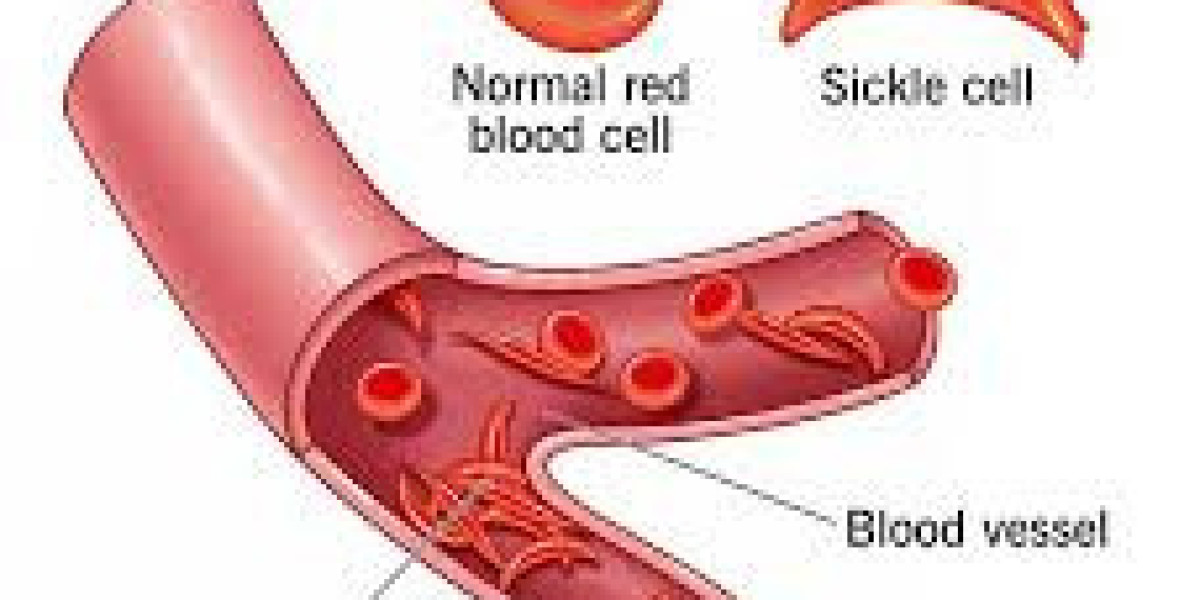
Sickle cell anemia is a hereditary blood disorder that affects the shape and function of red blood cells. While healthy red blood cells are round and flexible, allowing them to move easily through blood vessels, those with sickle cell anemia have cells shaped like crescents or sickles. These abnormally shaped cells can stick to vessel walls, slowing or blocking blood flow and reducing oxygen delivery to the body.
What Causes Sickle Cell Anemia?
Sickle cell anemia is caused by a mutation in the hemoglobin gene—the protein in red blood cells responsible for carrying oxygen. A person must inherit two sickle cell genes (one from each parent) to have the disease. If they inherit just one, they are said to have sickle cell trait, which usually does not cause symptoms.
This condition primarily affects individuals of African, Mediterranean, Middle Eastern, and Indian ancestry, though it can occur in people of any background.
Common Symptoms of Sickle Cell Anemia
The symptoms of sickle cell anemia often begin in early childhood and can vary in severity. Common signs include:
Chronic pain, especially in the chest, joints, and abdomen
Fatigue and low energy
Swelling in the hands and feet
Frequent infections
Delayed growth and puberty
Vision problems
One of the most painful complications is a sickle cell crisis, where sickled red blood cells block blood flow to parts of the body, causing severe pain and requiring immediate medical attention.
Complications and Risks
Sickle cell anemia can lead to numerous health issues, such as:
Stroke
Organ damage
Blindness
Pulmonary hypertension
Acute chest syndrome
Increased risk of infection
Even medications that are otherwise safe, like Fildena 100 mg Purple Pill, should be taken with caution in individuals with this condition due to the possible impact on circulation and heart function.
Managing and Treating Sickle Cell Anemia
There is no universal cure for sickle cell anemia, but several treatments help manage symptoms and prevent complications:
Pain relievers for managing chronic pain
Hydroxyurea, a medication that helps reduce the frequency of sickle cell crises
Blood transfusions for treating anemia and preventing stroke
Bone marrow transplant, which may cure the disease in some children
Vaccinations and antibiotics to prevent infections
Lifestyle changes also make a difference. Staying hydrated, avoiding extreme temperatures, managing stress, and following a healthy diet are essential for those living with sickle cell anemia.
Living with Sickle Cell Anemia
Living with sickle cell anemia can be challenging, but early diagnosis, proper treatment, and supportive care make it manageable. Education and awareness are crucial for helping patients lead healthier lives. Ongoing research continues to offer hope for new treatments and, potentially, a cure for future generations.
Conclusion
Sickle cell anemia is more than just a blood disorder—it's a lifelong journey that requires understanding, support, and proactive healthcare. By spreading awareness and improving access to treatment, we can enhance the quality of life for those affected and work toward a future free from the complications of this serious condition.