
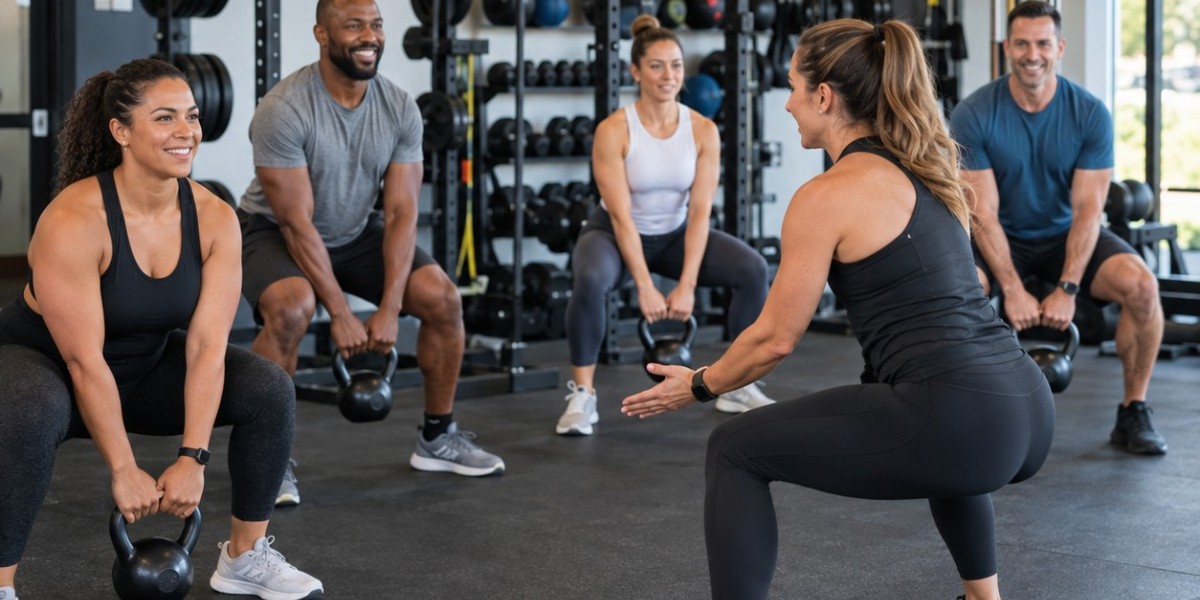

Discover ways to track fitness progress beyond weight, including strength, endurance, mobility, clothing fit, and body measurements.
For many people, a weighing scale is the first tool they use to measure fitness progress. It offers a quick number that can be easy to track, but it does not tell the whole story. Body weight can change for several reasons, including shifts in water levels, food intake, and normal daily fluctuations. As a result, the number on the scale may stay the same even when someone is building healthier habits, becoming stronger, or noticing improvements in physical fitness.
A more complete approach to tracking progress looks beyond weight alone. Changes in strength, endurance, energy, mobility, clothing fit, and everyday abilities can all provide useful feedback. Recognizing these signs can make fitness goals more realistic and help people stay motivated when the scale does not move as expected.
Why the Scale Does Not Tell the Whole Story
Body weight represents the combined weight of everything in the body. It does not distinguish between fat, muscle, water, bones, and other tissues. This means two people with the same weight can have very different fitness levels and physical characteristics. It also means one person's weight may remain relatively stable while other aspects of their fitness change.
Understanding body composition can provide a broader perspective because it considers the proportions of different tissues in the body, particularly fat mass and lean mass. For someone following a consistent exercise routine, this distinction can be useful. For example, changes in muscle and fat levels may not always produce a dramatic difference on the scale.
Daily weight fluctuations can also make progress difficult to interpret. Hydration, salty meals, carbohydrate intake, digestion, and hormonal changes can temporarily affect body weight. A single measurement cannot reliably explain what is happening over time.
Instead of treating every scale reading as a final result, consider it one piece of information. Looking at longer-term trends alongside other measurements and fitness indicators gives a more balanced view of progress.
Notice Improvements in Strength
Strength is one of the clearest ways to assess changes in physical fitness. When muscles become better conditioned, familiar exercises may gradually feel more manageable. You might be able to lift a heavier weight, complete additional repetitions, or perform movements with better control.
These improvements do not always require a major change in body weight. Someone may maintain a similar number on the scale while making meaningful progress in their ability to perform resistance exercises.
Keeping a simple workout record can make these changes easier to recognize. Record the exercises, resistance, repetitions, and how challenging each session feels. Reviewing the notes after several weeks can reveal improvements that may be difficult to notice from one workout to the next.
It is also important to compare performance fairly. Use similar exercise conditions and pay attention to technique rather than focusing only on heavier weights. Better control, improved range of motion, and more consistent movement are valuable signs of progress too.
Track Endurance and Cardiovascular Fitness
Another useful indicator is how comfortably you can handle activities that increase your heart rate. Improvements in cardiovascular fitness may become noticeable during walking, cycling, swimming, dancing, or other forms of aerobic exercise.
For example, you might find that you can walk for longer without needing a break, cycle at a steady pace with less effort, or recover more comfortably after climbing stairs. These everyday changes can be meaningful, even when your body weight has not changed.
To monitor endurance, choose an activity you already perform and observe how it feels over time. You could record the distance covered, duration, pace, or how much effort the activity requires. Avoid comparing yourself with other people because fitness levels and starting points vary.
Consistency matters more than occasional personal records. Gradual improvements across several weeks can show that your routine is helping develop stamina and making physical activity more manageable.
Pay Attention to How Your Clothes Fit
Changes in clothing fit can offer another practical way to notice physical changes. The fit of trousers, shirts, or other familiar items may change even when the scale remains stable.
However, clothing fit is not a precise measurement. Different brands, fabrics, cuts, and washing conditions can affect how garments feel. For a more useful comparison, pay attention to the same items of clothing over time rather than relying on different sizes from different manufacturers.
Some people also choose to take progress photographs at consistent intervals. Similar lighting, clothing, posture, and camera distance make comparisons more meaningful. Photographs are optional, and there is no need to take or share them if doing so feels uncomfortable.
The goal is to recognize changes without becoming overly focused on appearance. Clothing fit can be one indicator among several, not a judgment of whether a fitness routine is successful.
Measure Everyday Energy and Mobility
Fitness progress can also show up in ordinary activities that are not part of a formal workout. Carrying groceries, walking through a shopping center, playing with children, or completing household tasks may feel easier as strength and endurance improve.
Mobility is another valuable area to consider. You may notice that bending, reaching, turning, or getting up from a chair feels more comfortable. Improved movement control can make daily tasks easier and increase confidence during exercise.
Energy levels are worth observing as well. A balanced routine that includes appropriate physical activity, nutrition, and rest may support a greater sense of well-being. However, energy can be affected by sleep, stress, work demands, and health factors, so it should not be used as the only measure of fitness progress.
A useful habit is to make brief notes about how you feel during regular activities. Over time, these observations can help reveal changes that a weighing scale cannot capture.
Use Measurements Carefully and Consistently
Body measurements can provide additional information when someone wants to monitor changes beyond total weight. Common measurement areas include the waist, hips, chest, and thighs.
For more consistent comparisons, use the same measuring tape, measurement locations, and general conditions each time. Measuring too frequently can create unnecessary frustration because small differences may result from technique, posture, or normal fluctuations.
Some people use body composition assessments to estimate changes in fat mass and lean mass. Methods include bioelectrical impedance devices and other assessment techniques. These tools can be helpful for observing general trends, but results may be affected by hydration, recent exercise, food intake, and the method used.
No single measurement provides a complete picture. It is more useful to combine several indicators, such as workout performance, measurements, clothing fit, and general fitness, than to depend entirely on one reading.
Recognize the Importance of Consistency
Fitness progress is rarely a straight line. There may be weeks when strength improves, periods when endurance stays the same, or times when the scale changes without any noticeable difference in clothing fit. These variations are normal and do not automatically mean that a routine has stopped working.
Consistency gives the body an opportunity to respond to exercise and healthy lifestyle habits over time. A realistic routine should include activities that suit your current ability and schedule. Resistance exercise, cardiovascular activity, regular movement, balanced meals, and adequate recovery can all contribute to long-term fitness.
It also helps to set goals that are not entirely based on weight. Examples include completing a particular workout with better technique, walking for a longer duration, attending scheduled training sessions consistently, or improving mobility in a specific movement.
These goals focus attention on actions that can be practiced and improved. They also make it easier to recognize progress during periods when physical changes are gradual.
Build a More Balanced Approach to Measuring Success
The most useful progress-tracking method is one that provides helpful information without creating unnecessary pressure. Some people prefer a weekly exercise log, while others find monthly measurements or occasional fitness assessments more practical.
Choose a few indicators that match your goals and record them consistently. For example, someone focused on strength may prioritize exercise performance, while someone working on general fitness may pay more attention to endurance and daily activity. There is no need to measure everything.
It is also important to avoid changing a program based on one disappointing measurement. Review patterns over several weeks and consider the wider context, including sleep, nutrition, stress, and training consistency. When progress stalls or workouts become difficult to manage, a qualified fitness professional can help assess whether adjustments are appropriate.
A sustainable approach makes room for gradual improvements rather than expecting constant visible changes. The aim is to develop habits and physical capabilities that support everyday life, not simply to reach a particular number.
Conclusion
The scale can be useful, but it is only one way to monitor fitness progress. Improvements in strength, endurance, mobility, clothing fit, and everyday energy can reveal meaningful changes that body weight alone cannot show.
By using several indicators and reviewing them consistently, people can develop a more realistic understanding of their progress. Focusing on performance, well-being, and sustainable habits helps keep fitness goals connected to long-term health rather than making every decision depend on a single number.