
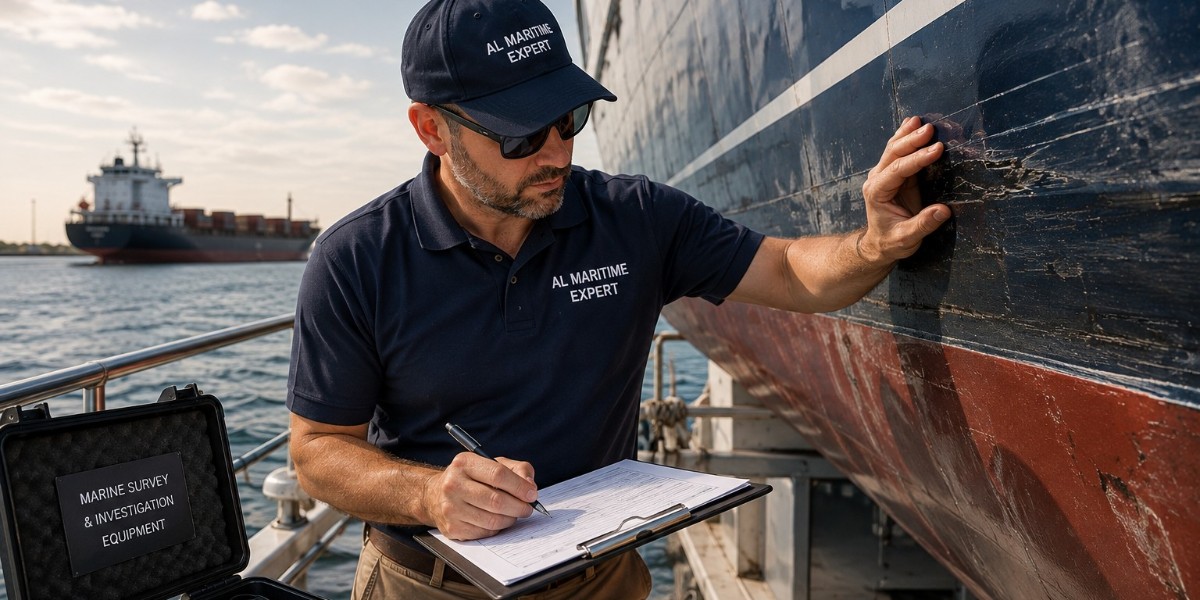

Learn what inspectors examine during a vessel safety assessment, including hull condition, navigation lights, emergency gear, engines, and electrical systems.
A vessel safety assessment helps identify conditions that could affect a boat's safe operation. Whether someone owns a recreational boat, operates a fishing vessel, or manages a larger commercial craft, regular safety checks can reveal equipment deficiencies, visible damage, and maintenance concerns before they become more serious problems. These assessments also help operators understand whether essential systems and emergency equipment are suitable for the vessel's intended use.
A key consideration is vessel visibility, particularly when operating at night, during poor weather, or in areas with heavy marine traffic. Inspectors may examine navigation lights, reflective markings where applicable, visibility from the helm, and equipment that helps other vessels recognize and locate the boat. These details contribute to situational awareness and should be considered alongside the vessel's overall safety arrangements.
The exact inspection scope depends on the vessel's type, size, operating area, and applicable requirements. Understanding what inspectors examine gives owners a clearer idea of how to prepare and which problems may require further attention.
1. Hull, Deck, and Structural Condition
The hull and deck are fundamental parts of a vessel's structure. Inspectors generally look for visible cracks, impact damage, corrosion, deteriorated fittings, water intrusion, and signs of previous repairs.
The inspection approach depends on the vessel's construction material. Fiberglass boats may need examination for surface cracking, blistering, and suspected laminate damage. Aluminum and steel vessels may require attention to corrosion, coating deterioration, deformation, and possible material loss. Wooden boats can develop problems involving rot, moisture, fasteners, and deteriorated joints.
Deck areas should also be checked for loose rails, damaged hatches, weakened surfaces, and insecure hardware. Cleats, handrails, and other fittings need to be properly attached because loose equipment can create hazards for people moving around the vessel.
A visual inspection cannot identify every concealed structural defect. Suspected problems may require additional access, ultrasonic thickness measurements, or other appropriate non-destructive testing.
2. Navigation Lights and Visibility Equipment
Navigation lights help other vessels identify a boat's position, direction, and activity under conditions of reduced visibility. Their proper installation and operation are important considerations during a safety assessment.
An inspector may examine whether the required lights are present, securely mounted, unobstructed, and functioning. Damaged lenses, corroded connections, failed bulbs, and incorrect installation can affect their performance.
Operators should also understand that lighting requirements are not identical for every vessel. Applicable navigation rules consider factors such as vessel length, activity, and operating circumstances. A recreational boat and a commercial vessel may have different equipment requirements.
Beyond navigation lights, visibility from the helm matters. Objects, canvas enclosures, equipment, or structural features may create blind spots that make it harder for an operator to observe nearby traffic. Inspectors may identify these concerns as part of a broader assessment of the vessel's arrangement and operating condition.
3. Personal Flotation Devices and Emergency Equipment
Personal flotation devices are among the most important items reviewed during a vessel safety assessment. Inspectors may check whether appropriate life jackets are available, accessible, and in usable condition for the people expected aboard.
Owners should consider the number of passengers, available sizes, storage arrangements, and any special requirements that apply to children or particular operating conditions. Life jackets stored beneath heavy equipment or inside inaccessible compartments may not be readily available during an emergency.
Other emergency equipment may include:
Fire extinguishers appropriate for the vessel and its equipment.
Visual distress signals that meet applicable requirements.
Sound-producing devices such as horns or whistles.
First-aid supplies and emergency response materials.
Liferafts or other survival equipment where required.
Emergency communication equipment.
Inspectors may review equipment condition, accessibility, service information, and visible installation concerns. The presence of an item does not necessarily establish that it is fully functional or compliant with every applicable requirement.
4. Fuel, Engine, and Machinery Systems
Mechanical and fuel-system problems can create significant operational hazards. Inspectors may examine accessible engine components, fuel hoses, connections, filters, ventilation arrangements, and visible signs of leakage.
Fuel odors, damaged hoses, loose clamps, and deteriorated connections deserve attention. In enclosed spaces, accumulated fuel vapors can create a serious fire or explosion risk. Any suspected fuel leak should be investigated and addressed before the vessel operates.
The engine compartment should also be checked for signs of overheating, oil leakage, corrosion, damaged wiring, and inadequate ventilation. Belts, hoses, mounts, and accessible cooling-system components may be examined for visible deterioration.
Where operational testing is included, the inspector may assess selected functions while the engine is running under suitable conditions. However, a basic safety assessment does not establish the complete internal condition of an engine. Persistent mechanical concerns may require specialist diagnostics.
5. Electrical Systems and Bilge Arrangements
Electrical problems can affect navigation equipment, communication devices, lighting, pumps, and other essential systems. Inspectors may examine accessible batteries, terminals, wiring, circuit protection, switches, and electrical connections.
Corrosion, loose connections, damaged insulation, exposed conductors, and signs of overheating may indicate concerns requiring repair. Battery installations should also be checked for secure mounting and suitable ventilation where applicable.
Bilge arrangements are another important area. Water accumulation can indicate leakage, drainage problems, or equipment failure. Inspectors may examine bilge pumps, hoses, float switches, discharge arrangements, and accessible through-hull fittings.
Testing may be performed where practical and within the assessment scope. A pump that activates does not automatically prove that it can remove water at the rate needed in an emergency. Operators should follow equipment maintenance recommendations and investigate recurring water accumulation.
6. Steering, Anchoring, and Communication Equipment
A vessel needs reliable control and suitable equipment for managing its position. Inspectors may examine steering wheels, cables, hydraulic lines, linkages, and accessible connections for corrosion, leaks, excessive play, or visible damage.
Anchoring arrangements may also be reviewed. The anchor, chain, rode, attachment points, and storage arrangements should be suitable for the vessel and its intended operation. Damaged lines or poorly secured anchoring equipment can create difficulties when the vessel needs to remain in position.
Communication equipment helps operators receive information and request assistance. Where fitted, VHF radios and related equipment may be examined for visible damage, power availability, and basic operation. Operators should know how to use their communication equipment and understand relevant emergency procedures.
The inspection should distinguish between a basic operational check and a complete technical test. Specialized equipment may require additional evaluation.
7. Documentation and Inspection Findings
A useful safety assessment should record significant observations and identify deficiencies requiring attention. Depending on the inspection type, documentation may include equipment details, photographs, test results, and recommendations.
Vessel owners should keep relevant records, including maintenance logs, repair invoices, equipment manuals, previous inspection reports, and details of significant incidents. These documents can help inspectors understand whether a problem is new, recurring, or associated with earlier repairs.
Findings should distinguish between visible defects, suspected problems, and components that could not be examined. Recommendations should also explain when additional testing or specialist assessment is appropriate.
A safety assessment is not automatically a comprehensive marine survey, a regulatory certification, or a guarantee that a vessel is free from defects. Owners should understand the inspection's purpose and limitations before relying on its results.
Conclusion
During a vessel safety assessment, inspectors generally examine structural condition, navigation and visibility equipment, emergency supplies, fuel systems, machinery, electrical installations, steering, and other essential components. The objective is to identify conditions that could affect safe operation and determine whether corrective action or further investigation is needed.
Preparation makes the process more useful. Keeping equipment accessible, maintaining accurate records, and addressing known defects before an inspection can help owners understand their vessel's condition. Regular attention to these areas also supports better maintenance decisions and more responsible operation on the water.