
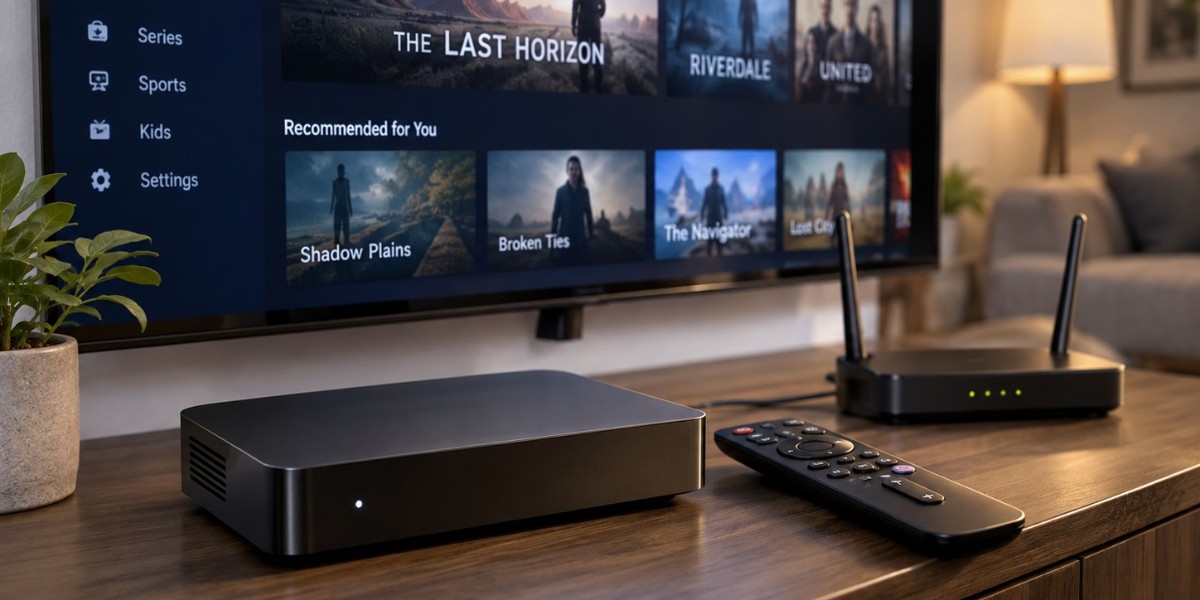

Discover how cloud technology is transforming television content delivery through flexible storage, scalable streaming, faster distribution, and improved access.
Television has changed significantly as more viewers move from traditional broadcasting methods to internet-based entertainment. People increasingly expect to watch programmes on different devices, access content whenever they want, and enjoy reliable playback without complicated equipment.
Meeting these expectations requires more than a television screen and an internet connection. Behind modern streaming services is a network of technologies responsible for storing, processing, managing, and delivering video content.
Cloud computing has become an important part of this infrastructure. It allows television providers and digital platforms to use remote computing resources instead of relying entirely on physical equipment located at their own facilities.
This approach is changing how television content is prepared, distributed, and accessed. Understanding its role helps explain why modern streaming services can support large audiences, multiple devices, and flexible viewing options.
Understanding the Role of Cloud Technology in Television
Cloud technology refers to computing services delivered through remote servers over the internet. These services can include data storage, processing power, software applications, databases, and networking resources.
In television distribution, cloud technology can support several stages of the content delivery process. Video files can be stored remotely, converted into different formats, organised into content libraries, and distributed to viewers through connected platforms.
Traditionally, broadcasters often depended on specialised physical infrastructure to manage many of these activities. While conventional equipment remains important, cloud-based systems offer additional flexibility.
For example, a streaming platform can use remote computing resources to prepare video content for different screen sizes and internet speeds.
It can also manage programme information, user accounts, and application services through cloud-based systems.
This does not mean every part of television delivery takes place in the cloud. Playback devices, local networks, content sources, and distribution infrastructure still play important roles.
Instead, cloud computing provides a flexible foundation for managing many of the processes behind modern digital television.
How Television Content Is Stored in the Cloud
One of the most significant applications of cloud computing is content storage.
Television platforms often manage large collections of video files, including live recordings, films, documentaries, and television series.
Storing all this material on local equipment can require considerable physical space, maintenance, and infrastructure investment.
Cloud storage provides another option by allowing organisations to store digital content on remote systems managed through internet-connected infrastructure.
These systems can be designed to support large media libraries and provide access to files when required.
Cloud storage also makes it easier for authorised teams to manage content from different locations.
For example, a media organisation may store programme files centrally while allowing editing, quality-control, and distribution teams to access the material remotely.
However, cloud storage does not automatically guarantee faster playback. Video still needs to be processed and delivered through suitable network infrastructure before it reaches the viewer.
Cloud-Based Video Processing and Encoding
Before television content can be streamed efficiently, it often needs to be converted into formats suitable for different devices and network conditions.
This process is known as video encoding or transcoding.
A single high-quality source file may be converted into several versions with different resolutions, bitrates, and codecs.
For example, a platform may prepare 480p, 720p, 1080p, and 4K versions of a programme.
This allows compatible streaming applications to select a suitable version according to available bandwidth and device capabilities.
Cloud computing can support this process by providing additional processing resources when large volumes of content need to be prepared.
Instead of maintaining enough physical equipment for every possible workload, a platform can use scalable computing resources according to demand.
This can be especially useful when preparing large content libraries or processing multiple programmes simultaneously.
The final quality still depends on the original video, encoding settings, compression technology, and playback equipment.
How Content Delivery Networks Improve Streaming
A content delivery network, commonly called a CDN, is a system of geographically distributed servers designed to deliver digital content efficiently.
CDNs are particularly important for online television because video files can be large and audiences may be spread across different regions.
Without distributed delivery infrastructure, viewers located far from a central server may experience longer response times or unnecessary network congestion.
A CDN helps by storing copies of frequently requested content on servers closer to users.
When someone starts watching a programme, the platform can direct the request to an appropriate delivery location.
This can reduce the distance data needs to travel and help improve delivery performance.
Cloud platforms and CDNs often work together, although they serve different purposes.
Cloud computing provides storage, processing, and other computing resources, while a CDN focuses on distributing content efficiently.
Together, these technologies help streaming platforms serve audiences across different locations.
Supporting Live Television Through Cloud Infrastructure
Live television requires a different approach from on-demand content because programmes are delivered while events are happening.
Sports broadcasts, news reports, interviews, and live entertainment must be captured, processed, and distributed with minimal delay.
Cloud-based infrastructure can support several parts of this workflow.
Incoming video feeds may be processed through remote encoding systems before being distributed to viewers.
Cloud resources can also help platforms manage changing audience numbers.
For example, a major sporting event may attract significantly more viewers than an ordinary weekday broadcast.
Scalable infrastructure can help providers increase available computing and delivery resources when demand rises.
However, cloud-based live streaming also involves challenges.
Video processing, network routing, and buffering can introduce delays. Platforms must carefully manage these factors when delivering time-sensitive broadcasts.
Cloud infrastructure can improve flexibility, but it does not remove the need for reliable networks and efficient streaming technology.
How Cloud Technology Supports Different Devices
Modern viewers expect television content to work across a variety of screens.
A person might begin watching a programme on a smart TV, continue on a tablet, and later access another episode through a smartphone.
Cloud-based services can help support this flexibility by managing user accounts, preferences, watch histories, and content information centrally.
When users sign in on a compatible device, the application can retrieve relevant account information from the service's systems.
Some platforms also synchronise playback progress, allowing viewers to continue from approximately where they stopped on another device.
Cloud-based application services can support these features without requiring every device to maintain its own separate collection of account information.
However, cross-device access depends on the streaming platform's design, supported applications, subscription conditions, and device compatibility.
Not every service provides identical features across all equipment.
Scalability During High Viewing Demand
Streaming demand can change dramatically throughout the day.
An ordinary television programme may attract a relatively predictable audience, while a major live event can produce a sudden increase in viewers.
Traditional infrastructure may require significant investment to handle the highest possible demand, even when that capacity remains unused most of the time.
Cloud computing offers a more flexible approach through scalable resources.
Depending on the provider and system design, additional processing or storage capacity can be allocated when workloads increase.
This can help streaming platforms manage sudden changes in demand without maintaining all infrastructure permanently at maximum capacity.
However, scalability is not automatic.
Providers still need to configure their systems correctly, monitor performance, manage network capacity, and plan for unexpected traffic.
Effective preparation remains essential for reliable service during major broadcasts.
Cloud Technology and Television Content Security
As more television content is delivered through internet-connected platforms, protecting digital material and user information becomes increasingly important.
Cloud-based systems can support security measures such as encryption, access controls, account authentication, and monitoring.
For example, access permissions can determine which employees or systems are allowed to view, modify, or distribute specific content.
Digital rights management technologies may also be used to control access to licensed programmes.
These systems help content owners and distributors manage how protected material is accessed and used.
Cloud providers may offer security tools, but responsibility is shared between the infrastructure provider and the organisation operating the streaming service.
Proper configuration, regular software updates, secure account practices, and monitoring are still necessary.
Cloud infrastructure can provide useful security capabilities, but it should not be treated as a guarantee against data breaches or unauthorised access.
Cost and Operational Advantages for Television Providers
Maintaining television infrastructure can involve equipment purchases, electricity, cooling, physical space, and technical support.
Cloud services provide an alternative operating model in which organisations can use computing and storage resources without managing every physical server themselves.
This may reduce certain infrastructure responsibilities and allow teams to focus more on content preparation, application development, and customer experience.
Cloud-based services can also make it easier to expand into additional markets when suitable distribution infrastructure is available.
However, cloud computing introduces its own costs.
Storage, data transfer, processing, software licensing, and ongoing service fees can become significant, particularly for platforms distributing large volumes of high-resolution video.
The financial benefits therefore depend on workload, pricing arrangements, infrastructure design, and operational efficiency.
A well-planned cloud system can offer flexibility, but it is not automatically less expensive than every traditional alternative.
Challenges of Cloud-Based Television Delivery
Despite its advantages, cloud technology introduces several challenges that television providers must consider.
Dependence on Network Connectivity
Cloud-based systems rely on network access for communication between services and users.
If network infrastructure experiences problems, content delivery or application functions may be affected.
Latency and Processing Delays
Live broadcasts and interactive features require timely data delivery.
Cloud processing and network routing can introduce additional delays if systems are not optimised.
Data Management
Large video libraries require careful organisation, backup strategies, and storage planning.
Poor data management can increase operational costs and make content difficult to retrieve.
Security and Privacy
Streaming platforms must protect user accounts, payment information, and licensed content through appropriate technical and organisational measures.
Service Provider Dependence
Using external cloud providers can create reliance on their infrastructure, pricing, availability, and service policies.
Understanding these challenges helps organisations make more informed decisions about cloud adoption.
The Future of Cloud-Based Television Delivery
Cloud computing is likely to remain an important part of television distribution as streaming platforms continue to expand.
Developments in artificial intelligence may improve video recommendations, content organisation, quality monitoring, and automated media processing.
More efficient codecs can reduce the bandwidth required to deliver high-quality video.
Edge computing may also complement cloud infrastructure by processing certain tasks closer to viewers, potentially reducing delays for some applications.
Meanwhile, improvements in network technology and connected devices will create additional opportunities for personalised and interactive television experiences.
These developments will not necessarily replace traditional broadcasting. Instead, television distribution may continue to combine broadcast networks, cloud services, local infrastructure, and internet-based delivery.
The most effective systems will be those that balance flexibility, performance, security, and cost.
Conclusion
Cloud technology is changing television content delivery by providing flexible resources for storing, processing, managing, and distributing digital media.
Cloud storage supports large content libraries, remote encoding helps prepare video for different devices, and content delivery networks distribute programmes closer to viewers.
These capabilities can help streaming platforms manage growing audiences and support more flexible viewing experiences.
However, reliable television delivery still depends on network performance, compatible devices, effective security, and well-designed infrastructure.
As cloud computing continues to develop, it will remain an important part of how television content reaches audiences across different devices and locations.