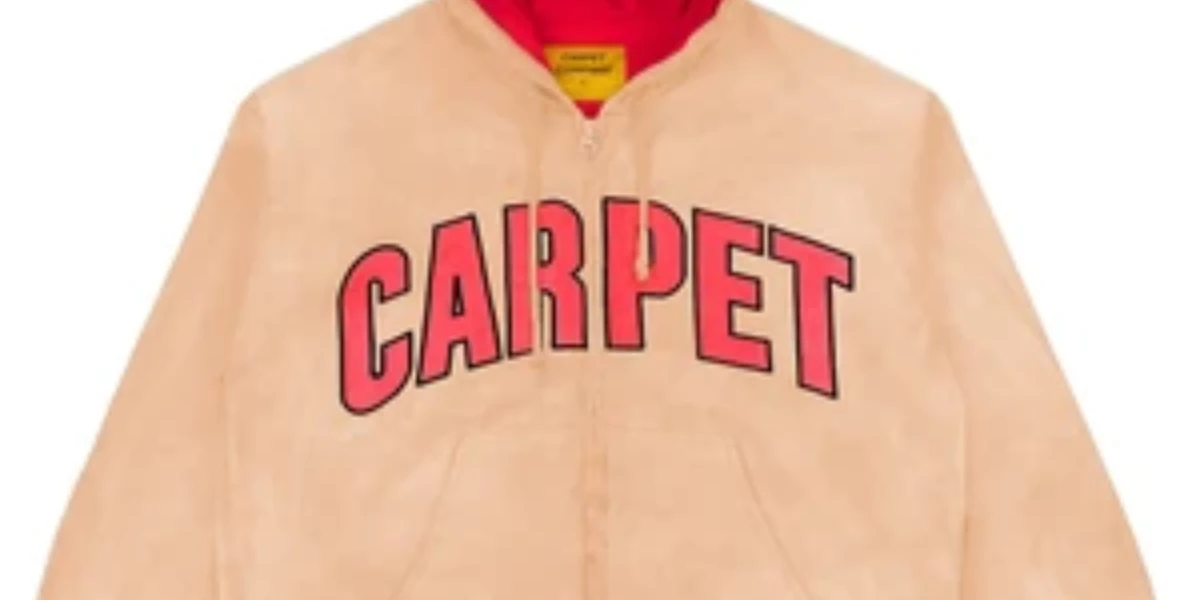

Discover Carpet Co Clothing featuring creative streetwear comfortable fits and fresh everyday pieces made for modern wardrobes.
Streetwear and Digital Product Experiences: How Interactive Fashion Is Changing Online Shopping
The modern streetwear industry is developing alongside new digital technologies that are transforming how customers discover, explore, and purchase clothing. Online fashion businesses are no longer limited to displaying ordinary product photographs and descriptions. Interactive shopping experiences, digital styling tools, personalized recommendations, and immersive product presentations are creating new possibilities for apparel brands. A https://carpetco.store/ entering the streetwear market can explore these technologies to improve product presentation, strengthen customer engagement, and create a more informative online shopping environment. Digital innovation is becoming an important part of the relationship between fashion design and customer experience.
Understanding Digital Product Experiences in Fashion
Digital product experiences refer to the ways customers interact with clothing products through websites, applications, and other online platforms. These experiences may include detailed product galleries, interactive size guides, styling recommendations, product customization, and virtual previews.
The purpose of these features is to make online shopping more informative and convenient. Customers can explore product characteristics, compare different designs, and understand how individual garments fit within a collection.
For clothing businesses, digital experiences provide opportunities to communicate product information beyond traditional descriptions. They can also help create a more organized shopping journey that supports customer decision-making.
The Evolution of Online Fashion Shopping
Early online clothing stores generally relied on simple photographs, written descriptions, and basic purchasing options. Although these elements remain important, modern digital platforms allow businesses to introduce more interactive features.
Customers can now explore multiple product angles, examine fabric details, watch short product videos, and navigate collections through organized categories.
These developments have changed expectations regarding online product presentation. A website that provides useful information and intuitive navigation can create a more engaging shopping experience.
Digital innovation does not necessarily require complicated technology. Even relatively simple improvements can make clothing products easier to understand.
Interactive Product Photography
Product photography remains an essential component of online fashion presentation. However, interactive photography introduces additional ways to examine garments.
Customers may be able to zoom into fabric surfaces, switch between product angles, or view detailed images of construction elements.
A https://carpetco.store/collection/carpet-co-t-shirt/ collection could benefit from interactive photographs that display graphic placement, stitching, fabric texture, and neckline construction. Such features help customers examine product characteristics that might otherwise remain difficult to understand through a single image.
Providing several meaningful views can improve product clarity without overwhelming visitors with unnecessary information.
Digital Styling and Outfit Exploration
Digital styling tools allow customers to explore combinations of clothing products.
For example, an online store might display shirts alongside suitable trousers, jackets, or accessories. Customers can discover different combinations without navigating separately through every product category.
These features can also help businesses communicate how individual garments contribute to a complete outfit.
Styling recommendations should remain relevant to the collection and reflect realistic clothing combinations rather than suggesting unrelated products.
Virtual Product Visualization
Virtual visualization technologies introduce opportunities to examine clothing through digital representations.
Some platforms offer garment previews, simulated styling environments, or model-based product presentations. These tools may help customers understand proportions, colors, and design characteristics.
A https://carpetco.store/collection/carpet-co-hoodie/ could be presented through multiple visual configurations, allowing visitors to explore different colors or design variations when those options are genuinely available.
However, digital previews should accurately represent the actual product. Visual effects should not create unrealistic expectations about fabric appearance, garment dimensions, or construction.
Improving Online Size Guidance
Sizing remains an important consideration when purchasing clothing online.
Digital size guides can provide measurement information, garment dimensions, and instructions for comparing clothing with existing products.
Some advanced systems also explore personalized size recommendations using customer-provided measurements or previous purchasing information.
Clear sizing information helps customers understand product proportions before ordering.
For oversized streetwear, explaining the intended silhouette is particularly useful because relaxed proportions may differ significantly from conventional garment measurements.
Personalization in Fashion Platforms
Personalization involves presenting products and information according to customer interests or preferences.
Fashion websites may organize recommendations around previously viewed products, selected categories, or browsing behavior.
Personalization can make large collections easier to navigate by highlighting relevant items.
However, it should be implemented thoughtfully. Customers should retain control over their shopping experience, and businesses should respect privacy when collecting or using personal information.
A useful recommendation system should improve product discovery rather than create unnecessary distractions.
Digital Collections and Fashion Storytelling
Digital platforms also provide opportunities to introduce collections through organized visual narratives.
Brands can present garments alongside creative concepts, design inspiration, photographs, and information about materials or construction.
These presentations help customers understand the thinking behind individual collections.
For carpet co, a carefully organized digital collection could connect product photographs, styling ideas, garment details, and design descriptions within one consistent online experience.
This approach allows a clothing brand to communicate its creative direction while keeping product information accessible.
The Importance of Mobile Shopping Experiences
Mobile devices have become important tools for discovering and purchasing clothing.
Fashion websites should therefore provide layouts that work comfortably on smaller screens.
Product photographs need appropriate sizing, descriptions should remain readable, and navigation should be easy to use.
Buttons, menus, and product selection controls should respond properly without requiring excessive scrolling or complicated interactions.
A mobile-friendly shopping experience can make product discovery more convenient for customers browsing through smartphones.
Technology and Customer Trust
Digital innovation can improve shopping experiences, but customer trust remains essential.
Product information should be accurate, photographs should represent actual garments, and purchasing conditions should be communicated clearly.
Businesses should also ensure that interactive features function reliably.
Unnecessary animations, confusing interfaces, or misleading product previews can reduce usability rather than improve it.
The most effective digital experiences combine useful technology with straightforward communication.
Future Opportunities in Digital Fashion Retail
Digital fashion retail will continue exploring new technologies, including advanced product visualization, improved recommendation systems, and more interactive collection presentations.
Artificial intelligence may support product discovery, customer assistance, and personalized styling suggestions.
Three-dimensional garment visualization may also help designers and businesses communicate product concepts more efficiently.
Nevertheless, successful digital development will continue to depend on understanding customer needs and maintaining accurate product information.
Technology should support the clothing experience rather than replace the importance of garment quality and thoughtful design.
Conclusion
Digital product experiences are creating new opportunities for modern streetwear businesses to present collections, communicate garment details, and improve online shopping. Interactive photography, digital styling, virtual visualization, personalized recommendations, and mobile-friendly websites can make clothing products easier to explore. When these technologies are implemented carefully, they support a more informative and engaging customer experience. The future of online fashion will depend on combining creative apparel with reliable digital communication, practical usability, and accurate product representation.
https://carpetco.store/