

Understand type 2 diabetes medications, including how Mounjaro works, dosage guidance, and treatment options for managing T2D in the UK.
Type 2 diabetes (also called T2D or diabetes type 2) is one of the most common long-term health conditions in the United Kingdom. Cities like London, Manchester, Birmingham, Liverpool, Leeds, and Glasgow have seen a rising number of people being diagnosed as lifestyle habits, diet patterns, and stress levels change. Understanding type 2 diabetes treatment is important because the condition can get worse over time if not managed properly.
This blog will help you understand the medications used to treat type 2 diabetes, how they work, and what you should know about newer options like Mounjaro tirzepatide.
What Is Type 2 Diabetes?
Type 2 diabetes happens when the body doesn’t use insulin properly or doesn’t make enough insulin. Insulin is a hormone that allows sugar (glucose) to move from the blood into the cells for energy. When insulin doesn’t work well, sugar builds up in the bloodstream, leading to high blood sugar levels.
If not controlled, high blood sugar can damage:
Eyes
Kidneys
Heart
Nerves
Blood vessels
That is why managing diabetes type 2 early is essential.
Why Medications Are Needed
Some people manage their type 2 diabetes through:
Better diet
Weight loss
Regular exercise
But over time, these may not be enough. The body may still need support to control blood sugar. That’s where medications come in.
Common Types of Type 2 Diabetes Medications
Below are the most commonly used medication categories for type 2 diabetes treatment:
1. Metformin
Metformin is usually the first medication doctors prescribe.
How it works:
Reduces sugar produced by the liver
Helps the body use insulin better
It’s well-tolerated and widely used across the UK, including in hospitals in London, Edinburgh, and Bristol.
2. Sulfonylureas
Examples include:
Gliclazide
Glimepiride
How they work:
They help the pancreas release more insulin.
They are effective, but some people may gain weight or have low blood sugar (hypoglycemia) while using them.
3. DPP-4 Inhibitors
Examples:
Sitagliptin
Saxagliptin
How they work:
They help increase insulin release after meals.
These medications usually do not cause low blood sugar or weight gain.
4. SGLT2 Inhibitors
Examples:
Dapagliflozin
Empagliflozin
How they work:
They help the kidneys remove excess sugar through urine.
These medicines also help:
Lower blood pressure
Reduce heart and kidney risks
They are commonly prescribed in major UK clinics due to their additional health benefits.
5. GLP-1 Receptor Agonists
This category includes medications that help the body manage hunger, insulin, and digestion.
One of the most talked-about options here is Mounjaro (tirzepatide).
Understanding Mounjaro (Tirzepatide)
Mounjaro tirzepatide is a newer medication available as an injection.
It acts on two natural hormones that help regulate:
Blood sugar levels
Appetite
Insulin release
Benefits of Mounjaro
Helps lower blood sugar
Supports weight loss
Improves insulin sensitivity
Because many people with type 2 diabetes are also overweight, Mounjaro has become a popular option in the UK.
Mounjaro Dosage and KwikPen Device
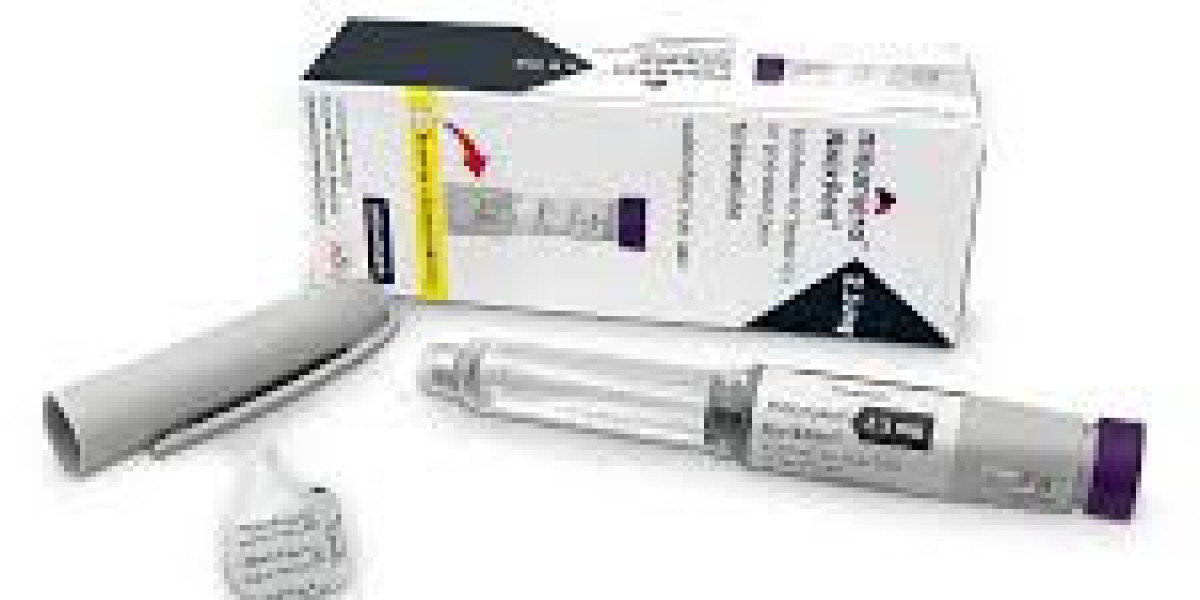
Mounjaro is available in a KwikPen, which makes it easy to inject at home.
Typical Starting Dose
The usual starting mounjaro dosage is 2.5 mg, injected once weekly.
Increasing the Dose
After 4 weeks, the dose is usually increased to 5 mg
Depending on blood sugar needs, doctors may increase to 7.5 mg, 10 mg, 12.5 mg, or 15 mg
The mounjaro kwikpen is designed to be simple:
No mixing required
Pre-set dose
Thin needle for comfort
If you're in cities like London, Liverpool, Glasgow, or Cardiff, your doctor or pharmacy can help guide you on using the pen safely.
Who Should Consider Mounjaro?
Mounjaro may be suitable if:
You struggle to control blood sugar with other medications
You need help managing weight
Lifestyle changes alone have not been enough
However, it should only be taken with a doctor’s supervision.
Side Effects to Be Aware Of
Some people may experience:
Nausea
Tiredness
Loss of appetite
Digestive discomfort
These usually improve over time, especially when dosage increases slowly.
Lifestyle Still Matters
Even with medication, daily habits play a big role in managing type 2 diabetes.
Helpful habits:
Eat balanced meals with fibre and protein
Reduce sugary drinks and fried foods
Walk or do light exercise most days
Get enough sleep
Avoid smoking and reduce alcohol
Small, consistent changes make a big difference.
Final Thoughts
Type 2 diabetes can be managed effectively, especially when you understand the treatment options available. Medications like metformin, SGLT2 inhibitors, and DPP-4 inhibitors help control blood sugar, while newer treatments like Mounjaro tirzepatide provide additional benefits, including weight support and better insulin control.
If you're in the United Kingdom, talk with your doctor about which type 2 diabetes treatment fits your health goals and lifestyle. With the right medication plan and healthy habits, it is absolutely possible to live a full and active life with T2D.